The Antidote To Adulteration: DART
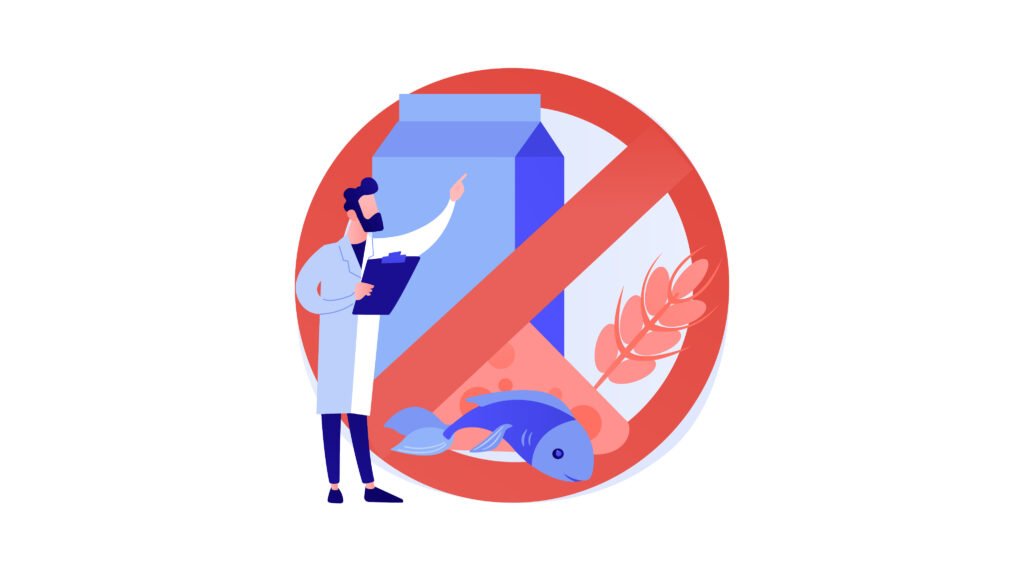
The practice of adulterating food or contaminating food components by adding a few compounds, which are collectively referred to as adulterants, is referred to as food adulteration. The Food Safety and Standard Act 2006 is a comprehensive legislation dealing with various aspects concerning food safety regulation. The Food Safety and Standards Authority of India (FSSAI) was formed under Section 4 of the Act. FSSAI is responsible for safeguarding and improving public health through regulating and monitoring food safety. Foods are tested for various adulterants, chemicals, microbiological contaminants, and other food safety characteristics as part of a mission to ensure safe food for the populace. A network of FSSAI laboratories conducts such food testing on an annual basis. To raise public awareness of food safety, the Detect Adulteration with Rapid Test (DART) handbook compiles typical rapid tests for individuals to use at home to identify adulterants in food. DART includes more than 50 tests that can be completed quickly and simply at home using water and inexpensive solutions such as tinctures of iodine for foods like milk and milk products, oils and fats, sugar and confectionery, food grains and their products, spices and condiments, etc. Sensory evaluation tests are also a part of these tests, which are used to verify food products’ authenticity. DART uses visual representations to illustrate the differences between unadulterated and contaminated food products. Section 65 of The Food Safety And Standards Act, 2006, talks about compensation in the case of injury or death to a consumer. The Adjudicating Officer/ the Court can direct the payment of compensation to the victim or the legal representative of the victim, a sum— (a) not less than five lakh rupees in the case of death; (b) not exceeding three lakh rupees in the case of grievous injury; and (c) not exceeding one lakh rupees, in all other cases of injury.
Turn On Dnd; No More Spam

The cost of initiating and maintaining communication via SMS, phone calls, messaging and email has decreased. This has also set the price so low that telecom users are bombarded with unsolicited commercial messages and calls (spam). The Telecom Regulatory Authority of India (TRAI) released the Telecom Commercial Communications Customer Preference Regulations, 2010 and followed it up with 16 Amendments to improve the procedure for telecom users to record their preferences and for Telecom Service Providers. Registered telemarketers are required to abide by the rules and respect the preferences of subscribers. Any mobile or landline user who wishes to enable DND must call 1909 or send an SMS to 1909. This will be recorded in the central DND database by TRAI. Telemarketers shouldn’t call or SMS this number if it is DND-registered. The TRAI will fine the telemarketer who is breaking the rules. There is also an option to complain about telemarketers’ continued use of unwelcome commercial SMS and Calls. The DND app by TRAI can be used by subscribers to make a complaint. With the DND (Do Not Disturb) register, the TRAI has managed to contain the issue of bothersome calls and unwanted SMS, although the measures have not been successful. Telemarketers continue to contact customers in an unwelcome manner.
How The Government Disposes The Seized Drugs – The Legal Mandate
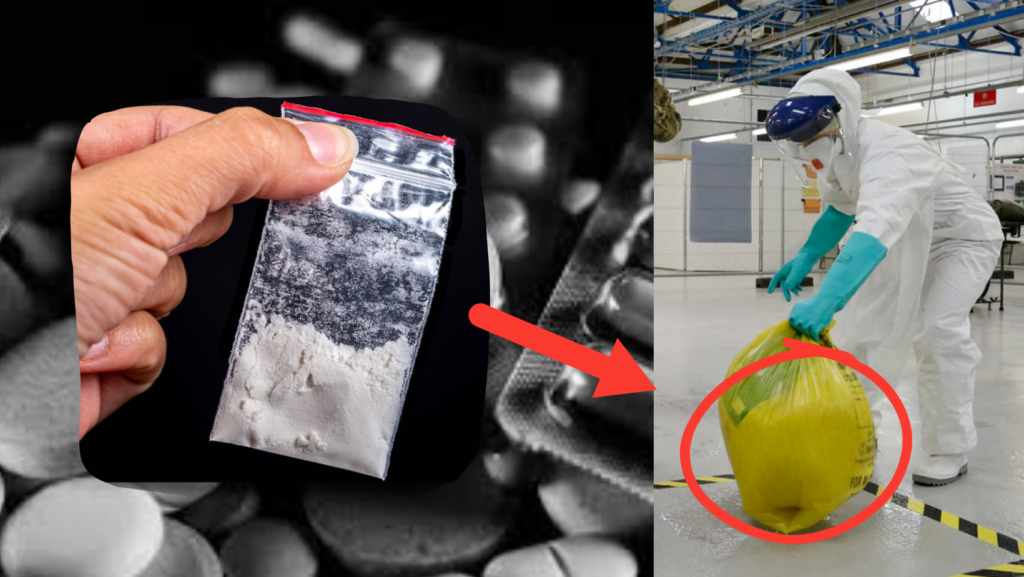
The seizure of drugs and substances is the first of many steps taken by the authorities, but what comes after the seizure of such narcotics? Section 52-A of the Narcotics Drugs and Psychotropic Substances (NDPS) Act, 1985, allows probe agencies to destroy seized substances after collecting the required samples. In Union of India vs Mohan Lal CRIMINAL APPEAL NO.652 OF 2012, Supreme Court has laid down detailed guidelines on sampling, storing and disposing of narcotic drugs and discussed the manner of disposal of seized contraband and conveyances seriously. If the drugs are in smaller quantities and are not synthetic, the police burn them in an open space close to the jurisdictional station. Smaller amounts of synthetic drugs are stored, and once there is enough to incinerate, it is disposed of promptly by the authorities. Some of the main procedures for the disposing of seized drugs and substances: The Department of Revenue under the Union Finance Ministry passed an order to all state governments stating that seized drugs must be destroyed as soon as possible to avoid misuse, theft or recirculation to the markets and also mandated that in every state, a Drug Disposal Committee be formed to conduct and supervise the process of disposal without compromising the norms of the Pollution Control Board.
Sports On Steroids – The Doping Saga Continues?
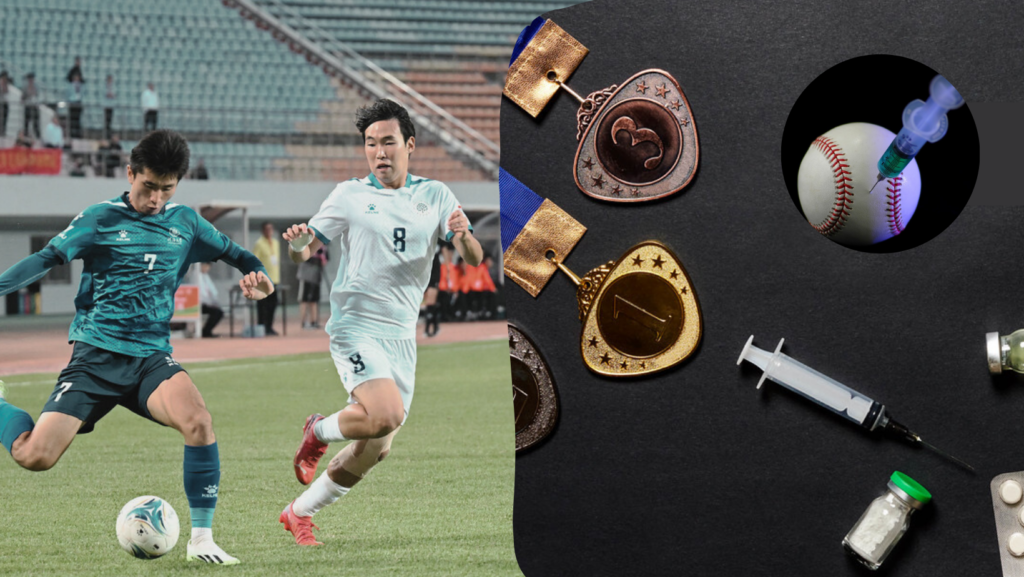
Doping is the act of consuming artificial and often illegal substances to gain an advantage over others in sports (anabolic steroids, human growth hormones, stimulants and diuretics, for example). The World Anti-Doping Agency (WADA) is an independent international agency established in 1999 and funded by sports organizations and associated countries. It monitors doping in sports based on the World Anti-Doping Code. At a national level, we have the National Anti-Doping Act of 2022, which has established the National Anti-Doping Agency (NADA) and the National Board of Anti-Doping in Sports. The most common techniques for testing Doping are mass spectrometry and biological passports. The WADA Code has prescribed an International Standard for Testing and Investigations. It has also laid down detailed procedures to notify athletes, collect samples, conduct tests, and investigate a possible failure to comply with these rules. From the Prohibited list of drugs and substances under the WADA Code, stimulants and Anabolic steroids are the most commonly used drugs. Stimulants speed up the central nervous system and may be used by athletes to reduce fatigue and increase their alertness. They include amphetamines, cocaine, ecstasy and methylphenidate (Ritalin), as well as nicotine and caffeine. Anabolic-androgenic steroids are the best-studied class of appearance and performance-enhancing drugs (APEDs). APEDs are used to improve appearance by building muscle mass or to enhance athletic performance. According to WADA sanctions, punishment for doping may range from a reprimand to a lifetime ban. However, the decision to strip the medal lies with the respective sports organization. In 2013, WADA approved strict punishments for athletes found guilty of doping, increasing the ban from two to four years. The new code came into effect in January 2015. The nation was hit with one of the biggest doping scandals in April 2015 when the Indian Weightlifting Federation provisionally suspended 21 weightlifters after they tested positive for banned substances across various championships. India’s top triple-jumper Aishwarya Babu has been banned by the National Anti-Doping Agency’s (NADA) disciplinary panel for four years for using a prohibited anabolic steroid in February 2023.
Father’s Right To Abortion?

The rights of a father are rarely discussed when it comes to abortion. In some cases, the child’s parents may have opposite views, one may want an abortion, and another may not. However, there exists a clear hierarchy of rights in which the mother’s right to abortion prevails over the rights of pre-viable foetuses in all circumstances and the rights of viable foetuses as long as the mother’s health, as freely interpreted, is in danger. In the case of Justice K.S. Puttaswamy (Retd.) v. Union of India (2017) 10 SCC 1, women’s reproductive choices were recognized as a constitutional right under Article 21 of the Indian Constitution relating to personal liberty. In Nirav Anupam Bhai Tarkas v. State of Gujarat (2011 SCC OnLine Guj 5577), the Gujarat High Court affirmed the dismissal of a criminal case filed by a husband against his wife and her family for having an abortion despite his opposition on the grounds that his consent was not required. In 2011, the Punjab and Haryana High Court in Dr Mangla Dogra v. Anil Kumar Malhotra (2011 SCC OnLine P&H 16218) deliberated on “whether the express consent of the husband is required for an unwanted pregnancy to be terminated by a wife?.” The Court noted that under Section 3(4)(b) of the MTP Act, only the consent of the pregnant woman undergoing the termination of pregnancy is required. The Supreme Court in the case of Anil Kumar Malhotra v. Ajay Pasricha (CR 6337/2011), dismissed a husband’s petition seeking damages from his wife as she had terminated her pregnancy without his consent. In recent years, Indian abortion laws have become quite progressive, and women finally have assurance of their rights to abortion. However, since there’s no mention of the father’s rights in abortion, there’s a long way to go before an ideal law is in place for abortion. This may seem unfair to some, but since our Constitution of India guarantees equality as a basic human right, minor changes in favour of fathers’ rights are expected to achieve equality further. Since both parents are responsible for childbirth, the wants of both parents shall be considered for an abortion.
Marriage Isn’t Implied Consent To Rape

Section 375 of the Indian Penal Code, 1860 (IPC) defines the acts that constitute rape by a man. The provision, however, lays down two exceptions as well. Apart from decriminalizing marital rape, it mentions that medical procedures or interventions shall not constitute rape. Exception 2 of Section 375 of IPC states that “sexual intercourse by a man with his wife, and if the wife is not under 15 years of age, is not rape”. In Independent Thought v. Union of India (2017) 10 SCC 800, the Supreme Court of India increased the age to 18 years. The Domestic Violence Act of 2005 hints at marital rape by any form of sexual abuse in a live-in or marriage relationship. However, it only provides for civil remedies such as legal separation. There is no way for marital rape victims in India to initiate criminal proceedings against their perpetrators. The Delhi High Court has been hearing arguments in the case since 2015. In January 2022, two judges of the Delhi High Court started to hear petitions filed by individuals and civil society organizations challenging the exception. In RIT Foundation v. Union of India, (2022) 3 HCC (Del) 572, they had arrived at a controversial split verdict. One Judge favoured criminalizing marital rape as it violated a woman’s right to consent, while the other was against it, saying marriage “necessarily” implied consent. The matter was pushed to the Supreme Court. In X v. Health & Family Welfare Department, 2022 SCC OnLine SC 1321, the Supreme Court ruling on women’s right to safe abortions regardless of marital status held that for the purposes of the Medical Termination of Pregnancy Act, the definition of rape should include marital rape. It is high time that the legislature should take cognizance of the legal infirmity and bring marital rape within the purview of rape laws by eliminating Section 375 (Exception 2) of the IPC. There is a need for laws that clarify boundaries in how we relate to one another and uphold constitutional ideas of equality, dignity, and bodily autonomy, alongside the unpleasant social realities of their limited use in practice.
Drunk? Legally, Can You Board A Public Transport?
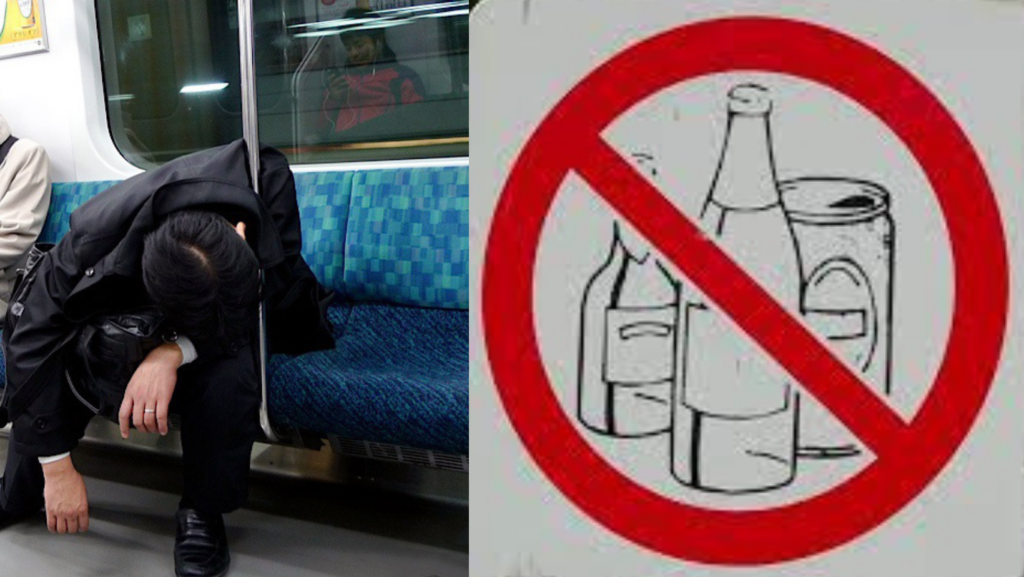
Laws governing alcohol consumption and sale vary between states, but in many parts of the country, it is prohibited to consume alcohol in public places such as streets, parks, and beaches. But what about public commuting? Drinking in public creates a nuisance and is, therefore, punishable by the law. There are various provisions under different statutes which state that Drinking in public is generally not legal in India. Section 510 Indian Penal Code, 1860 punishes ‘misconduct in public by a drunken person‘. This Section states that whoever, in a state of intoxication, appears in any public place or in any place into which it is a trespass for him to enter and there conducts himself in such a manner as to annoy any person shall be punished with simple imprisonment for a term which may extend to twenty-four hours, or with a fine which may extend to ten rupees, or with both.